Introduction
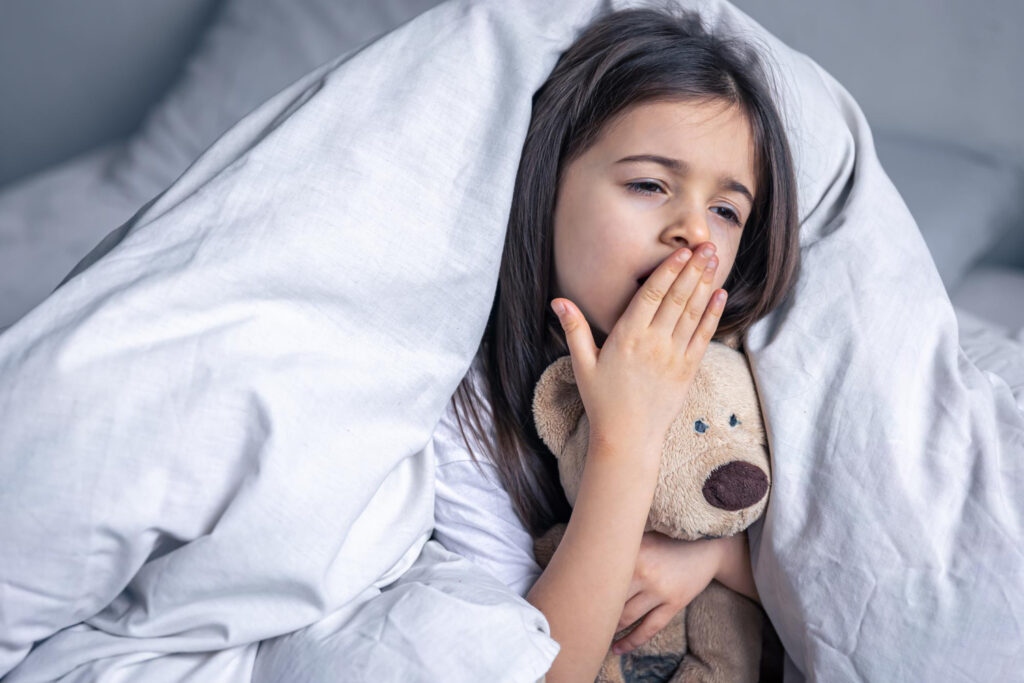
Sleep issues in children are common and can affect their health, mood, and learning. When kids do not sleep well, they may feel tired, cranky, or have trouble paying attention. Because sleep is so important for growth and development, parents and caregivers should understand childhood sleep disorders. In this blog, we will explain what causes sleep problems in children, how to spot them, and what you can do to help.
Common Symptoms of Sleep Issues in Children
Often, sleep issues in children show up in many ways. For example, some children may have trouble falling asleep, while others wake up often during the night. Here are some signs to watch for:
Additionally, sleep deprivation in children can lead to headaches or stomachaches. If you notice these symptoms, it may be time to look closer at your child’s sleep habits.
Causes of Sleep Problems in Children
There are many reasons why children may have sleep issues. Sometimes, the cause is simple, like a noisy room or too much screen time before bed. Other times, medical or emotional problems can play a role. Below are some common causes:
Because each child is different, it is important to look for patterns and triggers that may affect your child’s sleep.
How Sleep Issues Are Diagnosed
First, doctors will ask about your child’s sleep habits and daily routine. They may also want to know about bedtime routines and any changes at home or school. Sometimes, keeping a sleep diary can help track patterns. In some cases, doctors may suggest a sleep study. This test checks for problems like sleep apnea or other childhood sleep disorders. According to the CDC, early diagnosis can help prevent long-term problems.
Effective Treatments and Solutions
Thankfully, many sleep issues in children can be managed with simple changes. Here are some effective solutions:
For some children, doctors may recommend therapy or, in rare cases, medicine. However, most sleep problems improve with good habits and support.
Lifestyle and Prevention Tips for Healthy Sleep
To help prevent sleep issues, parents can teach healthy sleep habits early. For instance, you can:
In addition, avoid giving your child caffeine or sugary drinks in the evening. These small steps can make a big difference in your child’s sleep quality.
When to Seek Professional Help
Sometimes, sleep issues in children do not improve with home care. If your child snores loudly, stops breathing during sleep, or feels very sleepy during the day, you should see a doctor. Also, if sleep problems last more than a few weeks or affect your child’s mood or schoolwork, it is time to get help. Early support can prevent bigger problems later.
Conclusion
In summary, sleep issues in children are common but treatable. With the right steps, most children can enjoy restful nights and healthy days. If you have concerns, consult a pediatrician or child psychiatrist for personalized advice.