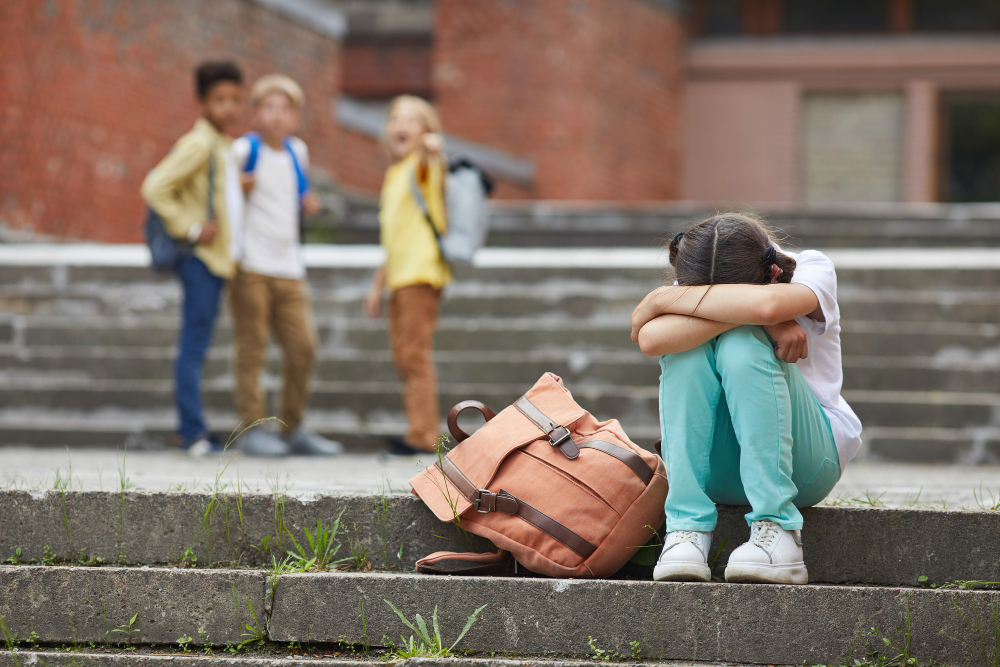
Introduction to Bullying in Children
Bullying in children is a serious problem. It can happen at school, online, or even at home. Many children face bullying, but it is not always easy to spot. Early recognition helps protect children from harm. In this blog, we will discuss signs of bullying in children, causes, effects, and ways to prevent it. Understanding these points can help parents, teachers, and caregivers support children better.
Common Signs and Symptoms
Children who are bullied may not always speak up. However, there are warning signs to watch for. For example, you might notice changes in their mood or behavior. Here are some common signs of bullying in children:
If you notice any of these signs, it is important to talk to your child. Early action can make a big difference.
Causes and Risk Factors
There are many reasons why bullying in children occurs. Sometimes, children bully others to feel powerful or to fit in. Other times, they may copy what they see at home or in media. Some risk factors include:
Because every child is unique, causes can vary. However, knowing these factors can help adults prevent bullying.
Short-term and Long-term Effects
Bullying can harm a child’s body and mind. In the short term, children may feel scared, lonely, or sad. They might avoid school or lose interest in activities. Over time, the effects of bullying on child mental health can be serious. For example, children may develop anxiety, depression, or low self-worth. Some may even think about self-harm or suicide. According to the CDC, bullying can also affect learning and future relationships. Therefore, it is important to address bullying early.
Diagnosis and When to Seek Help
There is no medical test for bullying. Instead, doctors or counselors look for signs and talk with the child. If you see warning signs or your child talks about bullying, seek help right away. You should contact a teacher, school counselor, or mental health professional. Early support can prevent lasting harm. If your child talks about self-harm or suicide, get emergency help immediately.
Treatment and Support Strategies
Support for bullied children is key. Treatment often includes talking with a counselor or therapist. Some helpful strategies are:
Because every child is different, treatment plans should fit their needs. Ongoing support helps children heal and grow stronger.
Prevention Tips for Parents and Schools
Preventing bullying in children takes teamwork. Parents and schools both play a role. Here are some tips on how to prevent bullying in schools and at home:
When adults take bullying seriously, children feel safer and more supported.
Lifestyle Guidance for Affected Children
Children who have been bullied need extra care. Here are some ways to help them recover:
With time and support, most children can heal and regain their confidence.
If you suspect a child is being bullied, consult a mental health professional for personalized support.