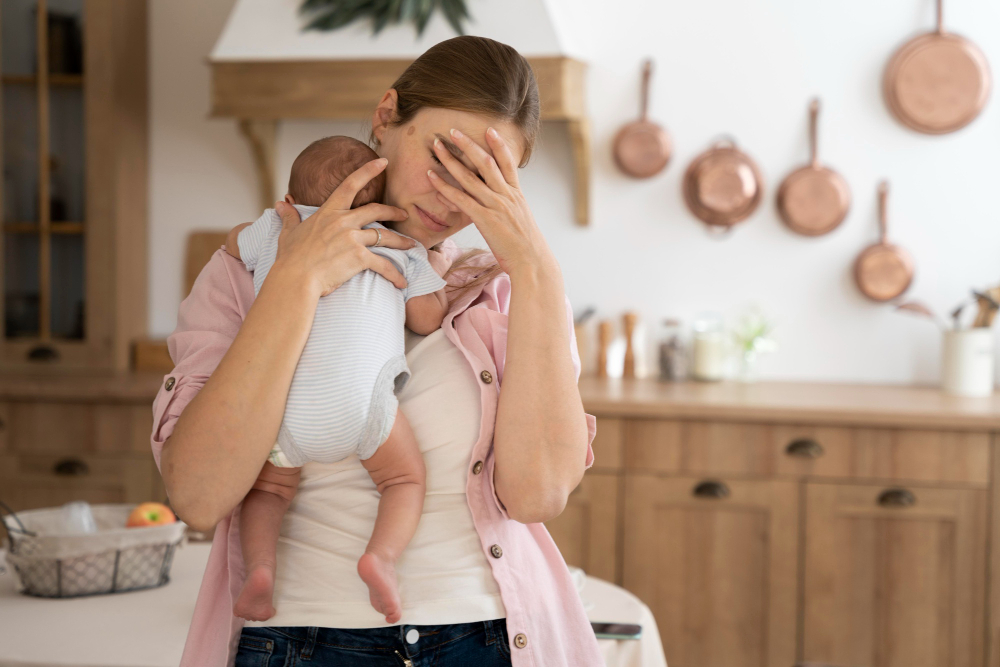
What is Postpartum Depression?
Postpartum depression is a type of mood disorder that can affect women after childbirth. Many new mothers feel sad or anxious for a few days. However, postpartum depression lasts longer and can be more intense. It can make daily life hard. According to the CDC, about 1 in 8 women experience postpartum depression. This condition is not a sign of weakness. Instead, it is a medical issue that needs care and support.
Early Signs and Symptoms
Recognizing postpartum depression symptoms early can help mothers get the right help. Some common early signs of postpartum depression include:
Sometimes, these symptoms may start soon after birth. But in other cases, they may appear weeks or even months later. If you notice these signs, it is important to seek help early.
Causes and Risk Factors
There is no single cause of postpartum depression. However, several factors can increase the risk. For example, hormone changes after childbirth can affect mood. Other risk factors include:
Even so, postpartum depression can happen to anyone. Knowing the risk factors can help families stay alert.
How to Recognise Postpartum Depression Early
Early recognition of postpartum depression is key to recovery. You can watch for changes in mood, behavior, or energy. For instance, if sadness or worry lasts more than two weeks, it may be more than “baby blues.” Also, if you feel unable to care for yourself or your baby, it is time to seek help. Family members can help by noticing changes and offering support. Early action can make a big difference.
When and Where to Seek Help
If you think you have postpartum depression, do not wait to get help. You should contact your doctor or a mental health professional. In addition, you can talk to your partner, family, or friends. Many countries have helplines and support groups. For example, in the United States, you can call the Postpartum Support International helpline at 1-800-944-4773. Early help can lead to better outcomes for both mother and baby.
Treatment Options
There are many ways to treat postpartum depression. Your doctor may suggest one or more of the following:
Sometimes, a mix of treatments works best. Your doctor will help you choose what is right for you. With the right care, most women recover fully.
Tips for Supporting New Mothers
Support from loved ones can make a big difference. Here are some ways to help:
Even small acts of kindness can help a new mother feel cared for and less alone.
Prevention and Self-Care Strategies
While not all cases can be prevented, some steps may lower the risk of postpartum depression. For example:
Taking care of yourself is important for both you and your baby.
You can also ask your doctor for more information about local support in your area.
If you or someone you know is experiencing postpartum depression, consult a mental health professional for personalized guidance.